
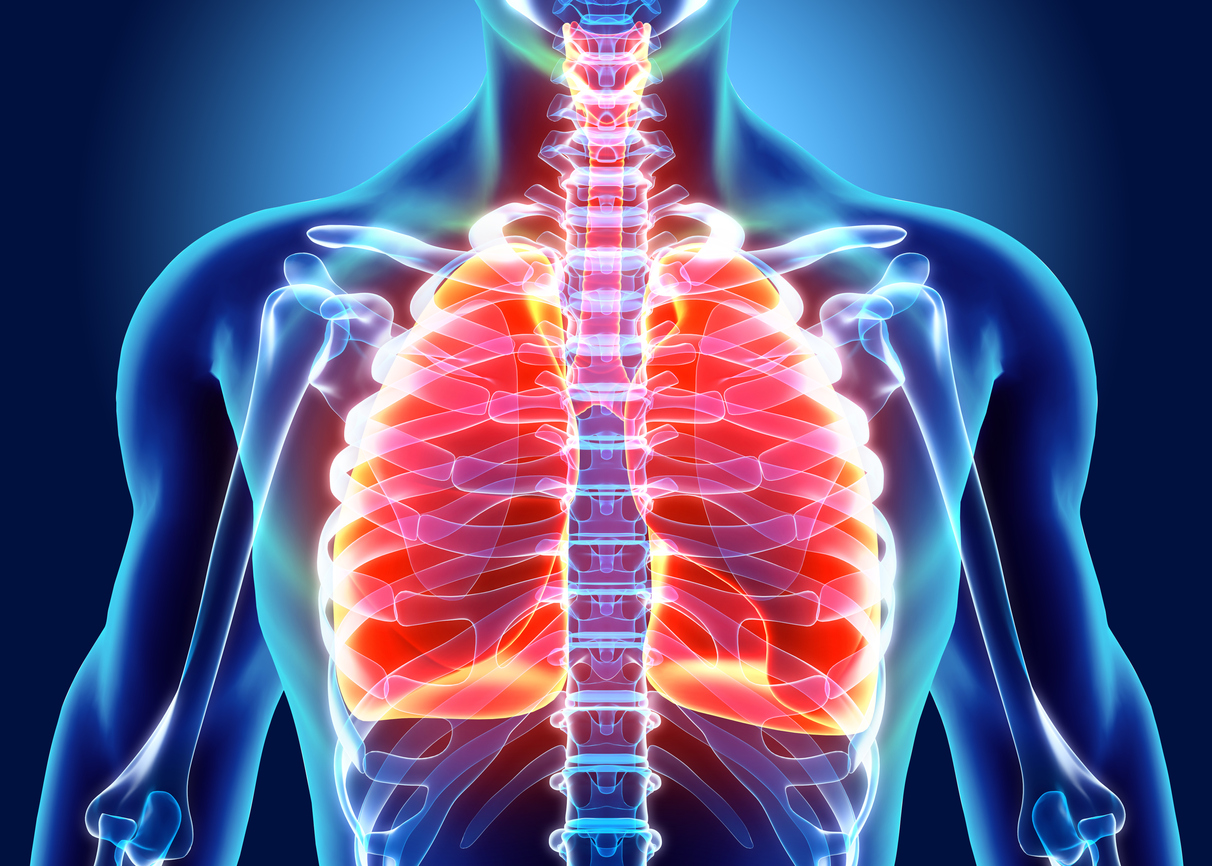
Anatomy of the lungs:
To ensure gas exchange, the lungs require close contact between the air circulation—maintained by breathing through the trachea and bronchi into the alveoli.
On the other hand, there must be close contact with the pulmonary arteries and pulmonary veins, which collectively ensure blood circulation down to the capillaries in the immediate vicinity of the alveoli.
In this way, venous blood in the pulmonary veins is cleared of carbon dioxide (CO₂) and enriched with oxygen (O₂). Like every organ, the lung is composed of segments, although physiologically well-defined boundaries are not always clearly demarcated anatomically.
Segmental pulmonary arteries, segmental pulmonary veins, and segmental bronchi circulate within these segments, enabling gas exchange in a very confined space. The segmental bronchus and segmental artery run together at the entry point of the lung segment (hilum), while the segmental vein runs separately.
Several lung segments are anatomically grouped into lung lobes. The right lung consists of three lobes: the upper lobe, the middle lobe, and the lower lobe. The left lung consists of only two lobes: the upper lobe and the lower lobe.
Histologically, the bronchi continue to divide via the respiratory bronchioles and alveolar bronchioles into the alveolar sacs, where gas exchange occurs.
Lung tissue serves gas exchange, the regulation of the acid-base balance, and has immunological and endocrine functions.
Diseases of the lungs (Pulmo):
- Chronic obstructive pulmonary diseases (COPD, chronic bronchitis, smoker’s bronchitis); also in the context of chronic sinusitis
- Gastroesophageal Reflux Disease
- Bronchial asthma
- Pulmonary fibrosis
- Pulmonary arterial hypertension (high blood pressure in the pulmonary circulation)
- Cystic fibrosis (CF, mucoviscidosis)
- Pneumonia (pneumonias); also tuberculosis (TB)
- Boeck’s disease (sarcoidosis)
- Acute respiratory distress syndrome (ARDS)
- Respiratory disorders in the context of other organ diseases (e.g., heart disease, brain disease, etc.)
- Lung tumors, benign and malignant
Here you will find several expert interviews related to
lung diseases:
#08: Lung cancer diagnosis – what now?
Thorax-schweiz in conversation with Prof. Dr. med. Ralph Schmid
#05 Pulmonary nodules – what does the diagnosis mean?


