
Health Prevention in Thoracic Diseases: A Key to Improved Quality of Life!
There are many medical check-ups. But for whom are all these offered check-ups beneficial? Fundamentally, it should be emphasized that a sensible lifestyle represents the best prevention. Abstaining from smoking, sufficient physical activity, and maintaining a healthy weight provide the best conditions for avoiding serious illness.
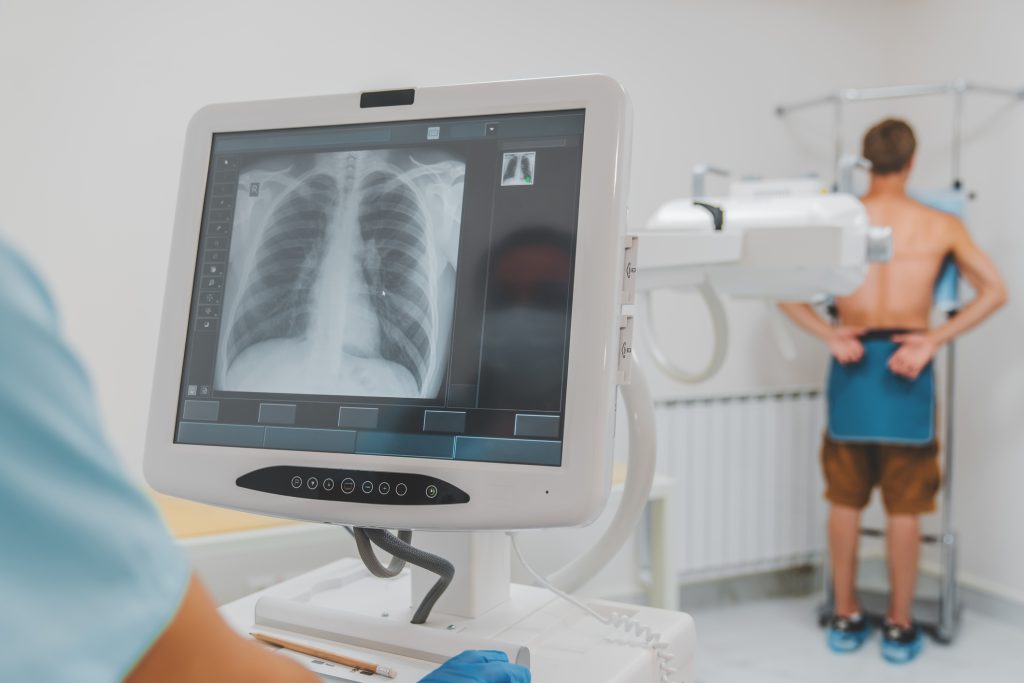
In light of these challenges, health prevention plays a crucial role, particularly in the area of respiratory and pulmonary pathways. Two central aspects are in focus:
Nevertheless, serious diseases such as cancer can occur at any stage of life, although cancer in general, like most diseases, occurs more frequently with age. To ensure that diseases are detected at the earliest possible stage, so-called early detection or preventive examinations are offered by the state as well as by health insurance providers. Treatment and healing options are often much better when a disease is discovered at an early stage.
Whether preventive examinations (screening) take place is an individual decision for each person. Preventive examinations also have advantages and disadvantages. For instance, a tumor may be discovered that would never have caused symptoms for the affected person. Or a preventive examination may show a false-positive result, leading to unnecessary investigations and therapies, with possible complications and the associated psychological burden.
However, early detection is not possible or beneficial for all diseases, especially certain cancers. Discuss with your general practitioner or your health insurance provider which options are available. We also want to provide you with helpful information about what is beneficial for you. Contact us so that we can address your specific concerns.
You can reach us at anfrage@thorax-schweiz.ch
The following preventive examinations are undisputedly very useful for detecting serious diseases:
1. Colonoscopy
- For detection of/early detection of:
Colorectal cancer - Initial examination:
No later than age 50 - Recommended repetition:
If no findings, repeat every 10 years
2. Blood Pressure Measurement
- For detection of/early detection of:
High blood pressure (arterial hypertension)
Prevention of heart attacks, strokes, and cerebral hemorrhages
3. Cardiac Check (Medical History, Brief Screening, and ECG)
- For detection of/early detection of:
Heart diseases in general, especially narrowing of the coronary arteries
4. Cholesterol and Blood Sugar Levels
- For detection of/early detection of:
Heart diseases,
especially narrowing of the coronary arteries; but also peripheral arterial occlusive disease in general
5. Mammography
- For detection of/early detection of:
Breast cancer - Initial examination:
Women from age 50, earlier if risk profile indicates - Recommended repetition:
Every 2 years
6. PSA (Prostate-Specific Antigen), Prostate Examination via Rectum
- For detection of/early detection of:
Prostate cancer - Initial examination:
Men from age 50; with family history from age 45
7. Low-Dose Computed Tomography of the Lung (Low-Dose CT)
– In Switzerland, neither reimbursed nor permitted according to radiation protection regulations
– Nevertheless recommended by various experts and working groups.
- For detection of/early detection of:
Lung cancer - Initial examination:
Smokers from age 55 who have smoked at least 20 cigarettes per day for 20 years or quit less than 15 years ago; additionally known COPD, familial clustering, and personally relevant risk factors - Recommended repetition:
Annually until reaching maximum age or completion of the program


