Thorax Schweiz
  • Home
  • Anatomy & Disease Patterns
    • Thorax: Function and Anatomy
    • The Airways (Trachea & Bronchi)
    • The Lungs (Pulmo)
    • The Pleura
    • The diaphragm (diaphragma)
    • The mediastinum
    • The Chest (Thorax)
    • The Esophagus
  • Patients & Relatives
    • Patients & Relatives
    • Support Groups and Organizations
    • Your General Practitioner’s Office
  • Prevention
    • Preventive Healthcare
    • The Importance of Prevention
    • Smoke-Free Living
    • Follow-up care
    • Rehabilitation
  • Podcast
  • Blog
  • About Us
    • About Thorax Switzerland
    • The medical team at Thorax Schweiz
    • Additional Experts
    • THE INITIATORS OF THORAX SWITZERLAND
  • Contact
  • English
    • Français (French)
    • Deutsch (German)
    • Italiano (Italian)
Author

csadmin

csadmin

Patients & Relatives

Your General Practitioner’s Office

by csadmin 28. January 2024
written by csadmin
Your General Practitioner’s Office as a Key Player in Thoracic Medicine:

Your general practitioner’s office is not only your first point of contact for health concerns but also a central player in providing care and referrals within the context of thoracic medicine. Even before your planned clinic stay, your general practitioner or specialist will have conducted initial diagnostics to establish the basis for a comprehensive assessment of your health. These preliminary findings are of great importance and should be brought with you to your clinic visit to ensure a seamless continuation of diagnostics and therapy.

The close collaboration with your general practitioner’s office extends throughout the entire therapeutic process and is essential for comprehensive care. Your general practitioner knows you personally, understands your medical history, and is thus in a unique position to guide you through the entire treatment process. As a trusted contact person, your general practitioner is not only informed about your current health situation but also about your personal preferences and concerns.

Furthermore, your general practitioner’s office plays a key role in advising on necessary preventive examinations in the thoracic area. By providing comprehensive information on potential preventive measures, your general practitioner’s office helps to identify potential problems early and intervene promptly if necessary. This proactive approach not only promotes the early detection of diseases but also enables targeted prevention to keep your respiratory system and heart healthy.

Overall, close cooperation with your general practitioner forms the foundation of holistic thoracic medicine. Through its role as the first point of contact, in diagnostics, as a discussion partner, and as an advisor, the general practitioner’s office becomes an indispensable partner on your path to a healthy life in the thoracic area.


28. January 2024 0 comments
FacebookLinkedinEmail
Patients & Relatives

Support Groups and Organizations

by csadmin 28. January 2024
written by csadmin

Thoracic diseases often represent life-altering events for patients that go far beyond purely physical aspects. These conditions do not only impair breathing but can also significantly affect daily life. Even small, everyday tasks become a challenge, and uncertainty about the future can cause an enormous psychological burden.

Why are thoracic diseases often so distressing for those affected?

Thoracic diseases affect vital organs such as the lungs and the heart. The functions associated with these organs are crucial for breathing and oxygen transport throughout the body. Limitations in these areas can lead to shortness of breath, fatigue, and reduced physical capacity. Uncertainty about one’s own health and the often lengthy duration of treatment further increase the burden.
Patients may be confronted with anxiety, stress, and psychological challenges.

Why is the exchange of experiences so important, especially in the case of serious thoracic diseases?

Connecting with others affected plays a central role in coping with serious thoracic diseases. Here are several reasons why this exchange is of vital importance:

Benefiting and learning from the experiences of others:

In support groups, people share their personal experiences with the disease, treatments, and how they manage challenges. This enables others to learn from proven strategies and overcome obstacles.

Receiving support from other patients:

The emotional support found in support groups is invaluable. People who have lived through similar challenges can offer understanding, empathy, and support that often goes beyond what family and friends can provide.

Setting goals together and sharing successes in the recovery process:

Sharing goals and reaching milestones together in the recovery process not only strengthens motivation but also creates a positive dynamic within the group. Successes are celebrated together, which supports recovery.

There are numerous support groups and organizations that provide assistance to those affected and their families.

At this point, we would like to introduce three exemplary organizations

COPD:

Portrait: COPD Oxygen Patients Association

The COPD Oxygen Patients Association is passionately committed to people affected by chronic obstructive pulmonary disease (COPD) who rely on oxygen therapy. The website https://www.copd-sauerstoffpatienten.ch/ serves as a central point of contact for patients, relatives, and interested parties to find support, information, and community.

Mission and purpose of the COPD Oxygen Patients Association:

The association’s mission is to promote awareness of COPD, support those affected, and create a community that faces the challenges of this chronic lung disease together. The focus is on improving the quality of life of its members.

Services and activities of the COPD Oxygen Patients Association:

On the website, visitors will find a wealth of resources, including information on COPD, treatment options, and tips for managing oxygen therapy. The association organizes regular meetings and events to promote personal exchange between those affected and to build a supportive network.

Online Platform:

The website serves not only as a source of information but also as a vibrant platform for exchanging experiences, questions, and advice. Members can use forums to network with like-minded individuals, share their stories, and receive valuable tips on managing the disease.

Commitment and Solidarity:

The COPD Oxygen Patients Association advocates for the interests of its members and is actively involved in improving the care situation for people with COPD. Solidarity and a sense of community form the cornerstones for overcoming the challenges of COPD together.

Overall, the COPD Oxygen Patients Association offers a valuable point of contact for everyone living with COPD and dependent on oxygen therapy. The community, information, and support provided by the association contribute to a lasting improvement in the quality of life for those affected.


Services for patients with pulmonary hypertension

Swiss PH Association (SPHV)

Portrait: Swiss PH Association (SPHV) – Together against Pulmonary Hypertension

The Swiss PH Association (SPHV) serves as a dedicated platform for people affected by pulmonary hypertension. On the website https://www.lungenhochdruck.ch/, visitors find comprehensive information, support, and a supportive community to overcome the challenges of this serious lung disease together.

Mission and Purpose:

The SPHV aims to raise awareness of pulmonary hypertension, support those affected, and create a community that stands in solidarity against this disease. Improving quality of life and access to relevant resources are at the heart of its mission.

Services and Activities:

The SPHV website offers not only sound information on pulmonary hypertension but also practical advice and therapeutic approaches. By organizing meetings and events, the association promotes personal exchange, enables those affected to share their experiences, and thus supports the building of a strong network.

Online Platform:

As a dynamic online platform, the website offers forums and groups where members can exchange their stories, ask questions, and receive valuable support. This digital community strengthens cohesion and makes it easier for those affected to manage their illness.

Commitment and Solidarity:

The SPHV actively advocates for the interests of its members and works to improve the care situation for people with pulmonary hypertension in Switzerland. The focus of its commitment is solidarity and the common goal of enjoying life to the fullest despite these challenges.

Overall, the Swiss PH Association (SPHV) functions as a valuable point of contact for people with pulmonary hypertension. The combination of comprehensive information, support, and a supportive community makes the SPHV a significant player in the fight against this serious lung disease in Switzerland.


Services for patients with asthma, lung cancer, sleep apnea, cystic fibrosis, and other lung diseases.

Swiss Lung League

Portrait: Swiss Lung League – Together for healthy airways

The Swiss Lung League is an outstanding organization passionately committed to respiratory health in Switzerland. With a wide range of services, initiatives, and a comprehensive online platform at https://www.lungenliga.ch/, the Lung League plays a crucial role in supporting people with respiratory problems.

Mission and Purpose:

The Lung League is primarily committed to the prevention of respiratory diseases, but also actively supports people with existing respiratory problems. Its mission includes promoting respiratory health, educating the public, and supporting those affected and their relatives.

Size and Versatility:

The Swiss Lung League impresses not only with its size but also with its versatility. As a national organization, its reach extends across the whole of Switzerland, reaching millions of people. Due to its broad positioning, the organization is able to cover a variety of needs in the field of respiratory health.

Services and Activities:

The Lung League offers a comprehensive range of services, from prevention campaigns and support services to educational programs. The organization also organizes events, workshops, and seminars to raise awareness and deepen understanding of respiratory problems.

Online Platform:

The Swiss Lung League website is a rich source of information on respiratory health. From easy-to-understand materials for the general public to specific resources for professionals, the website offers a comprehensive pool of information. Particularly noteworthy is the dedicated section for professionals, which provides deeper insights, research data, and specialist articles.

Commitment and Solidarity:

The Lung League is actively committed to solidarity and support for people with respiratory problems. The organization works closely with professionals, healthcare providers, and the community to promote innovative solutions, advance research, and ensure effective care.

The Swiss Lung League stands as a major player at the forefront of the fight for healthy airways. Through its size, versatility, and commitment, the Lung League plays a central role in promoting respiratory health throughout Switzerland.


Thorax-Schweiz

Portrait: Thorax-Schweiz – Stronger Together – A Focus on Support Groups and Patient Associations

As the Thorax-Schweiz team, it is a central concern of ours to create a strong and supportive community for everyone dealing with thoracic diseases. In this spirit, we place great value on cooperation with support groups and thorax-specific associations in Switzerland.

Why Support Groups?

Support groups play a crucial role in coping with thoracic diseases. The exchange of experiences, support among peers, and navigating challenges together create a valuable community. We recognize the invaluable worth of these groups and associations.

Our Platform as a Meeting Point:

We want to offer support groups and thorax-specific associations a platform where they can present themselves. This means that we are actively working to expand our collection of institutions on Thorax-Schweiz. In this way, we create a central point of contact for patients, relatives, and interested parties to find the support relevant to them.

Cooperation with Leading Figures:

To provide an even deeper insight into the world of thoracic medicine and lung diseases, we plan to publish further articles featuring leading figures from these support groups and associations. This not only allows direct access to experts but also helps to raise awareness and spread knowledge.

Invitation to Collaborate:

We cordially invite all support groups and thorax-specific associations to join our platform. Together, we can build a supportive community that helps those affected and their relatives deal with thoracic diseases. Contact us to become part of this initiative.

28. January 2024 0 comments
FacebookLinkedinEmail
Patients & Relatives

Patients & relatives

by csadmin 28. January 2024
written by csadmin

At Thorax Switzerland, the comprehensive information portal for patients with thoracic conditions, we place great importance on supporting and guiding patients and their loved ones.

The section “Patients Loved Ones” is of particular significance to us, as we not only provide information but also aim to create a space where individuals with thoracic diseases and their families can find support.

Stronger Together – The Importance of Family:

Because thoracic diseases affect not only the individual but also their family environment. In this section, we offer resources and tips on how you, as a family, can collectively manage these challenges. Here, you will not only receive information but also the assurance that you are not alone in your concerns.

A Positive Mindset as a Key to Coping:

A positive mindset can significantly influence how one copes with thoracic diseases. We share inspiring stories that offer encouragement and demonstrate how a positive attitude can positively impact the recovery process. This section aims not only to impart knowledge but also to serve as a source of motivation and encouragement.

Our Platform as Support:

Thorax Switzerland offers not only information but also an active community. Here, you will find not only understanding but also practical tips and valuable advice. We encourage you to actively participate and become part of this supportive community.

Thorax Switzerland is your trusted companion in the field of thoracic health on the path to a healthy life.

We invite you to utilize the diverse resources and jointly address the challenges of thoracic medicine with us.

28. January 2024 0 comments
FacebookLinkedinEmail
Preventive Healthcare

Rehabilitation after severe thoracic diseases

by csadmin 17. January 2024
written by csadmin

Following severe thoracic diseases, rehabilitation plays a crucial role in supporting those affected on their path to recovery and promoting a return to a fulfilling life. In many cases, rehabilitation follows medical treatment almost seamlessly, with both outpatient and inpatient options available. Inpatient rehabilitation clinics, in particular, offer a comprehensive program tailored to the individual needs of patients.

The components of rehabilitation:

Individual health training: Rehabilitation often begins with individual health training aimed at improving physical fitness and preparing patients for their specific needs.

Smoking cessation: If necessary, rehabilitation also includes smoking cessation programs, as quitting smoking can make a significant contribution to recovery after thoracic diseases.

Physical training and physiotherapy: Targeted physical training and physiotherapy help to strengthen muscles, improve mobility, and restore general physical performance.

Respiratory therapy: Respiratory therapy is particularly important after thoracic diseases, aiming to optimize lung function and alleviate breathing difficulties.

Psychological counseling/support: Psychological support plays a central role in dealing with the emotional and mental challenges following serious illness. Rehabilitation offers professional counseling and care to strengthen mental health.

Nutritional counseling: A balanced diet contributes significantly to recovery. Nutritional counseling in rehabilitation helps to create individual nutrition plans to provide the body with optimal support.

Targeted rehabilitation for elderly patients:

For elderly patients, rehabilitation specifically adapted to their needs is offered. The goal is to maintain their independence in the home environment for as long as possible and to enable a largely autonomous life.

Oncological-internal medicine rehabilitation:

Oncological-internal medicine rehabilitation is aimed at all patients who experience physical and psychological limitations after tumor therapy. This special rehabilitation approach aims to improve the quality of life after cancer therapy and support patients in reintegrating into everyday life.

Rehabilitation after severe thoracic diseases is a decisive step on the path to restoring health and quality of life.

Through a holistic approach and individually adapted programs, rehabilitation enables those affected to regain their physical and mental health and look to the future with confidence.

Closing words:

Rehabilitation after a severe thoracic disease marks a decisive step on the path to recovery and the restoration of quality of life. At Thorax Switzerland, we view rehab as an integral part of the healing process and are committed to providing our readers with valuable insights, advice, and information on this important topic.

Soon, we will take an in-depth look at rehabilitation after thoracic disease to support you with well-founded content. From targeted exercises to psychological care – our goal is to offer you a comprehensive insight into the world of rehabilitation and accompany you on your path to a full recovery.

Don’t want to miss any of our posts?

Stay up to date by subscribing to our newsletter.
Receive regular updates, exclusive information, and valuable tips directly in your inbox. Your health is important to us – together we walk the path of recovery!

17. January 2024 0 comments
FacebookLinkedinEmail
Preventive Healthcare

Follow-up care for thoracic diseases

by csadmin 17. January 2024
written by csadmin
Health Prevention in Thoracic Diseases: A Key to Improved Quality of Life!

Following surgical treatment, at least one follow-up check is usually performed by the surgeon. The duration of follow-up care depends on the patient’s preference (travel distance) as well as the illness/consequences of the accident and the surgery.

Long-term follow-up care is provided after a serious illness of the respiratory tract and lungs. This takes place in close coordination between the clinic, the patient’s specialists, and the general practitioner’s office. This follow-up care helps the affected person to continue recovering, reduces the risk of relapse, and ensures that any relapse is detected and treated in a timely manner. Long-term follow-up care can extend over several years, with examination appointments initially being very frequent. Gradually, the intervals between examinations become longer. Depending on requirements, long-term follow-up care includes:

  • Diagnostics regarding the general physical condition of the patient
  • Diagnostics to monitor the success of the therapy/investigation of a relapse
  • Breathing exercises
  • Participation in self-help groups
  • Psychological support

Follow-up care for tumor patients, who in the case of thoracic surgery have usually undergone an operation, proves to be particularly extensive. Tumor follow-up care takes place according to a detailed and predetermined plan. Normally, check-ups including thoracic computed tomography scans are performed at shorter intervals in the first year after surgery, and annually thereafter, to rule out the recurrence of the same tumor or the development of a new one.

After operations for tumors, the vast majority of which are performed with curative intent, it is particularly important that recurring tumor foci are detected early and, if necessary, can again be treated curatively. Within the Lung Cancer Center, tumor follow-up care for all cases that were not operated on is likewise carried out by the other specialists involved (oncologist and radiation oncologist) according to a clearly defined plan. This ensures that even in these cases, changes in the course of the tumor can be detected early, discussed at the tumor board, and any therapies can be adapted or adjusted. This ensures that those affected always receive the best treatment and care.

As part of the Lung Cancer Center, we are obliged to record all tumor follow-up information in detail electronically, and to discuss and evaluate it during conferences.

The data collected is reviewed annually by independent specialists and checked for accuracy.

This ensures that we can always offer the best and most current therapy and care available.

17. January 2024 0 comments
FacebookLinkedinEmail
Preventive Healthcare

Smoke-Free Living: A Step Toward a Healthy Thorax

by csadmin 17. January 2024
written by csadmin
Health Prevention in Thoracic Diseases: A Key to Improved Quality of Life!

Smoking is not only a widespread habit but also one of the most significant risk factors for diseases in the thoracic region. The impact of smoking on respiratory and pulmonary health should not be underestimated and is the focus of numerous scientific studies.

Smoking and Thoracic Diseases:

Chronic Obstructive Pulmonary Disease (COPD): Smoking is the primary cause of COPD, a progressive lung disease that leads to shortness of breath and impaired lung function.

Lung Cancer: Smoking is the leading cause of lung cancer, one of the deadliest types of cancer worldwide. The link between tobacco consumption and lung cancer is well-documented scientifically.

Asthma: Smoking can exacerbate asthma and make the airways more sensitive to irritants.

Chronic Bronchitis: Exposure to smoke also increases the risk of chronic bronchitis, an inflammation of the airways that leads to coughing and increased mucus production.

Scientific Evidence:

Various studies prove the harmful effects of smoking on the thorax. A meta-analysis published in the “New England Journal of Medicine” shows that smokers have a significantly higher risk of developing COPD and lung cancer compared to non-smokers.

Another long-term study, published in the “American Journal of Respiratory and Critical Care Medicine,” confirms the direct link between smoking and the progression of respiratory diseases.

Motivation to Quit Smoking:

The good news is that it is never too late to quit smoking. Within just a few weeks of quitting, lung function improves and the risk of cardiovascular disease decreases.

A smoke-free life is not only a shield against thoracic diseases but also increases overall quality of life. Money and time previously spent on cigarettes can be invested in healthier activities.

Future Focus on Smoke-Free Living:

Smoke-free living will represent an important focus on the Thorax Schweiz portal.

We are committed to continuously informing our readers about the significant links between smoking and thoracic diseases. In the future, we will share engaging articles, the latest scientific findings, as well as practical advice and motivational stories to support you on your journey to a smoke-free life.

Stay tuned to benefit from our comprehensive resources and helpful content as we focus together on your health and well-being.

17. January 2024 0 comments
FacebookLinkedinEmail
Preventive Healthcare

The Importance of Prevention

by csadmin 16. January 2024
written by csadmin
Health Prevention in Thoracic Diseases: A Key to Improved Quality of Life!

There are many medical check-ups. But for whom are all these offered check-ups beneficial? Fundamentally, it should be emphasized that a sensible lifestyle represents the best prevention. Abstaining from smoking, sufficient physical activity, and maintaining a healthy weight provide the best conditions for avoiding serious illness.

In light of these challenges, health prevention plays a crucial role, particularly in the area of respiratory and pulmonary pathways. Two central aspects are in focus:

Nevertheless, serious diseases such as cancer can occur at any stage of life, although cancer in general, like most diseases, occurs more frequently with age. To ensure that diseases are detected at the earliest possible stage, so-called early detection or preventive examinations are offered by the state as well as by health insurance providers. Treatment and healing options are often much better when a disease is discovered at an early stage.

Whether preventive examinations (screening) take place is an individual decision for each person. Preventive examinations also have advantages and disadvantages. For instance, a tumor may be discovered that would never have caused symptoms for the affected person. Or a preventive examination may show a false-positive result, leading to unnecessary investigations and therapies, with possible complications and the associated psychological burden.

However, early detection is not possible or beneficial for all diseases, especially certain cancers. Discuss with your general practitioner or your health insurance provider which options are available. We also want to provide you with helpful information about what is beneficial for you. Contact us so that we can address your specific concerns.

You can reach us at anfrage@thorax-schweiz.ch

The following preventive examinations are undisputedly very useful for detecting serious diseases:
1. Colonoscopy
  • For detection of/early detection of:
    Colorectal cancer
  • Initial examination:
    No later than age 50
  • Recommended repetition:
    If no findings, repeat every 10 years
2. Blood Pressure Measurement
  • For detection of/early detection of:
    High blood pressure (arterial hypertension)
    Prevention of heart attacks, strokes, and cerebral hemorrhages
3. Cardiac Check (Medical History, Brief Screening, and ECG)
  • For detection of/early detection of:
    Heart diseases in general, especially narrowing of the coronary arteries
4. Cholesterol and Blood Sugar Levels
  • For detection of/early detection of:
    Heart diseases,
    especially narrowing of the coronary arteries; but also peripheral arterial occlusive disease in general
5. Mammography
  • For detection of/early detection of:
    Breast cancer
  • Initial examination:
    Women from age 50, earlier if risk profile indicates
  • Recommended repetition:
    Every 2 years
6. PSA (Prostate-Specific Antigen), Prostate Examination via Rectum
  • For detection of/early detection of:
    Prostate cancer
  • Initial examination:
    Men from age 50; with family history from age 45
7. Low-Dose Computed Tomography of the Lung (Low-Dose CT)

– In Switzerland, neither reimbursed nor permitted according to radiation protection regulations
– Nevertheless recommended by various experts and working groups.

  • For detection of/early detection of:
    Lung cancer
  • Initial examination:
    Smokers from age 55 who have smoked at least 20 cigarettes per day for 20 years or quit less than 15 years ago; additionally known COPD, familial clustering, and personally relevant risk factors
  • Recommended repetition:
    Annually until reaching maximum age or completion of the program
16. January 2024 0 comments
FacebookLinkedinEmail
Preventive Healthcare

Preventive Healthcare

by csadmin 16. January 2024
written by csadmin
Preventive Healthcare for Thoracic Conditions: A Key to a Better Quality of Life!

Lung diseases pose a serious threat to quality of life and, as is well known, can often be life-threatening. What is concerning about respiratory and lung diseases is that they often progress for a long time without clear symptoms. The lungs themselves do not have pain fibers, and symptoms such as shortness of breath, reduced physical capacity, and persistent coughing are non-specific. Distinguishing them from less severe respiratory illnesses requires further diagnostics.

Given these challenges, preventive healthcare plays a crucial role, particularly in the area of respiratory and pulmonary health. Two central aspects are in focus:
  1. Early Detection:
    The early detection of lung diseases is crucial to begin treatment promptly and thus improve the prospects of recovery. Often, advanced diagnostic procedures such as lung function tests are necessary, which are typically not part of routine preventive examinations. Through early diagnosis, potentially serious diseases could be identified and treated, thereby not only enhancing quality of life but also preventing fatalities.
    .
  2. General Health Prevention:
    A smoke-free life, sufficient exercise, and a balanced diet are essential components of general health prevention in the context of respiratory and lung diseases. Quitting smoking significantly reduces the risk of lung diseases, while physical activity can improve lung function and enhance overall well-being. A balanced diet helps strengthen the immune system and protect the body against potential illnesses.

Preventive healthcare is therefore not limited to the early detection of symptoms but also encompasses a proactive lifestyle that minimizes the risk of lung diseases. By making conscious choices and committing to a healthy lifestyle, we can make a significant contribution to the prevention of thoracic diseases and improve both quality of life and life expectancy. In this sense, preventive healthcare should become an integral part of our daily lives.

16. January 2024 0 comments
FacebookLinkedinEmail
Thorax: Function and Anatomy

The Esophagus

by csadmin 15. January 2024
written by csadmin
Anatomy of the Esophagus

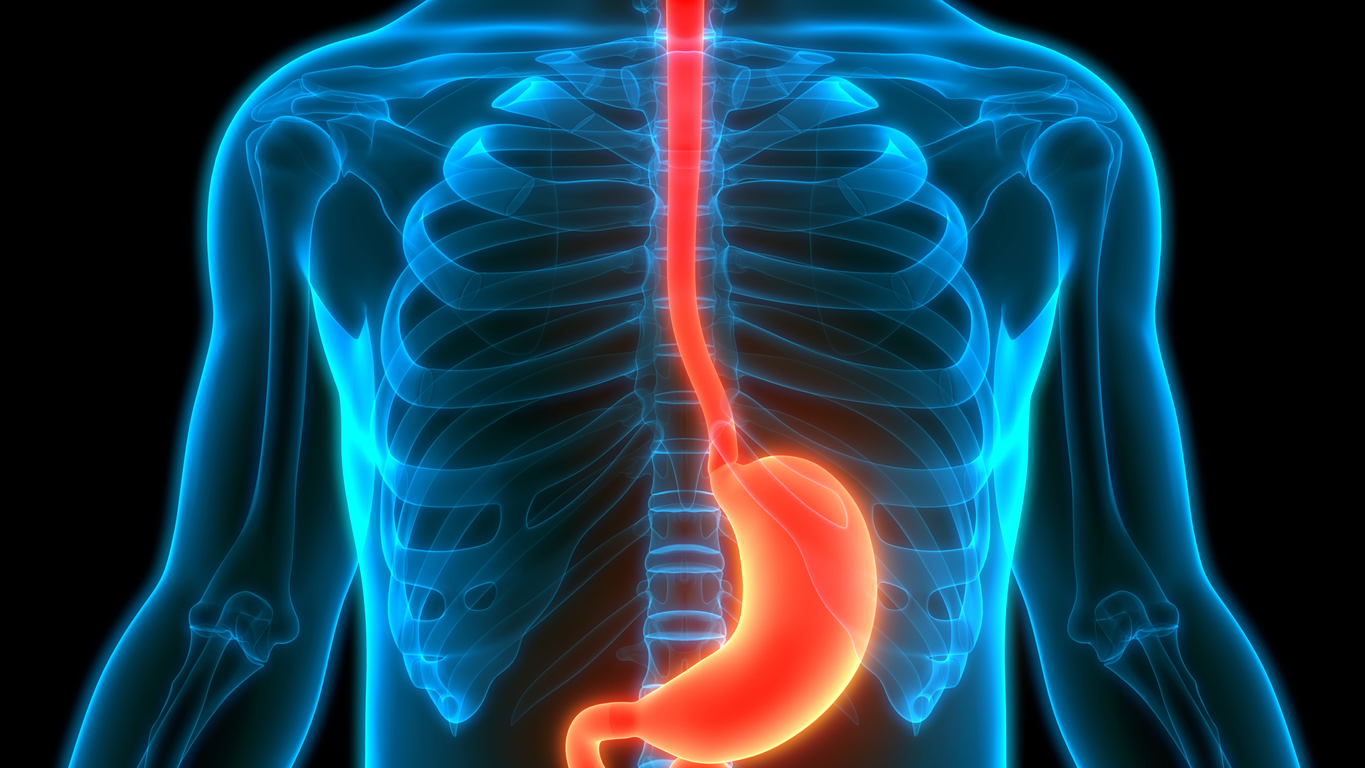
The esophagus is a tubular, hollow organ that transports food from the mouth to the stomach. It is divided into three sections and also has three physiological constrictions. A complex closure mechanism seals the esophagus from the stomach. Histologically
the esophagus is structured in the same way as the other organs of the gastrointestinal tract, with a few exceptions.

Profile of the Esophagus:

Function: Food transport
Location: Begins at the lower border of the cricoid cartilage of the larynx and ends where it joins the stomach
Shape: Tubular
Length: 25–30 cm

Topography:

Topography:
Course
C6-C7: Transition from the pharynx to the esophagus (esophageal mouth = upper esophageal sphincter) runs between the trachea and the spine into the thorax;
Th4: Aorta lies against the esophagus from the left (aortic constriction);
Continues through the posterior mediastinum;
Left: Aorta; Right: Right lung; Ventral: Left atrium; Dorsal: Spine
Th10: Esophagus passes together with the vagal trunks through the esophageal hiatus of the diaphragm (= diaphragmatic constriction);
Continues caudally along the left liver lobe;
Th11: Esophagus, empties into the stomach.

Structure

The esophagus is a muscular tube that is divided into three sections based on its location. Along its course, the esophagus has three constrictions, which are caused by its relationship to adjacent structures. At the lower end of the esophagus, an interplay of various mechanisms ensures the closure of the esophagus to the stomach entrance (= pars cardiaca); there is no true sphincter muscle.

Sections

Cervical part of the esophagus (= cervical portion)

  • Length: 7–8 cm
  • Course: From the lower border of the cricoid cartilage to the superior thoracic aperture

Thoracic part of the esophagus (= thoracic portion)

  • Length: 16 cm
  • Course: From the superior thoracic aperture to the diaphragmatic passage

Abdominal part of the esophagus (= abdominal portion)

  • Length: 1–3 cm
  • Course: From the diaphragmatic passage to the entry into the stomach
  • The abdominal part of the esophagus (= pars abdominalis) is intraperitoneal!
  • The angle at which the pars abdominalis of the esophagus enters the stomach is called the “angle of His”!

Closure mechanism of the lower esophagus (= Lower Esophageal Sphincter, LES)

  • Spirally arranged esophageal muscle layer
  • Pressure gradient between thoracic and abdominal cavity
  • Acute angle of entry of the esophagus into the stomach (angle of His)
  • Venous plexus of the esophagus
  • Diaphragmatic constriction
  • Fixation of the esophageal end by the phrenicoesophageal ligament (= Laimer’s membrane)

Collectively, these closure mechanisms are referred to as the lower esophageal sphincter (LES). However, it is not a true sphincter but a functional sphincter system!

Diseases of the Esophagus
  • Reflux esophagitis and Barrett’s esophagus:
    If the mechanism of the lower esophageal sphincter does not function correctly, there is a backflow (= reflux) of gastric juice into the esophagus. The esophageal epithelium provides mechanical but not chemical protection. Since gastric juice consists, among other things, of very aggressive hydrochloric acid, reflux can lead to inflammation of the esophagus (= esophagitis). This condition is called “reflux esophagitis”. Symptoms of reflux esophagitis are retrosternal pain (= heartburn), which occurs mainly after eating and when lying down. If reflux esophagitis persists for a longer period, the normal esophageal epithelium (stratified non-keratinized squamous epithelium) can transform into columnar epithelium (= metaplasia). Such a transformation is referred to as “Barrett’s esophagus”, on the basis of which dysplasias can develop as a precursor to carcinoma.
  • Esophageal varices:
    Between the drainage area of the inferior vena cava and the portal vein, there are collateral circulations (these are called “portocaval anastomoses”). If blood outflow into the portal vein is impeded (e.g., by liver cirrhosis), the blood bypasses the liver and backs up into the collateral circulations. It then flows, for example, via the veins of the esophagus into the superior vena cava. However, since these veins are not designed for such high pressure, they distend. These dilated veins – so-called esophageal varices – can rupture and lead to life-threatening bleeding.
  • Esophageal diverticula (e.g., Zenker’s diverticulum):
    Like the rest of the digestive tract, the esophagus has an inner circular muscle layer and an outer longitudinal muscle layer. This is not equally strong at all points in the esophagus. For example, it is often absent on the dorsal side of the esophagus (lower border of the inferior pharyngeal constrictor muscle, cricopharyngeal part), in the so-called Laimer’s triangle, and at the transition from the pharynx to the esophagus (between the fundiform part and the oblique part of the inferior pharyngeal constrictor muscle), the so-called Killian’s triangle. When pressure in the esophagus increases, at these two locations
  • mucosal outpouchings (= pulsion diverticula) can occur, where the tunica mucosa and tela submucosa are pushed outwards through the muscle layer. Since not all layers of the wall are affected, these are referred to as “false diverticula” or “pseudodiverticula”. If such a diverticulum occurs in Killian’s triangle, it is called a Zenker’s diverticulum. Although it is treated as an esophageal diverticulum, anatomically it originates from the hypopharynx. “True diverticula”, in which all layers of the wall protrude, arise independently of muscular weak points and are also called “traction diverticula”.
  • Esophageal achalasia: Achalasia is a functional disorder of the esophageal musculature and the lower sphincter.
  • Esophageal carcinoma: Histologically, a distinction is made between squamous cell carcinomas in areas where the esophagus has squamous epithelium, often caused by noxious agents such as alcohol and nicotine.
    In addition, there is adenocarcinoma at the junction of the esophagus and stomach.
15. January 2024 0 comments
FacebookLinkedinEmail
Thorax: Function and Anatomy

The Chest (Thorax)

by csadmin 15. January 2024
written by csadmin
Anatomy of the Chest (Thorax):

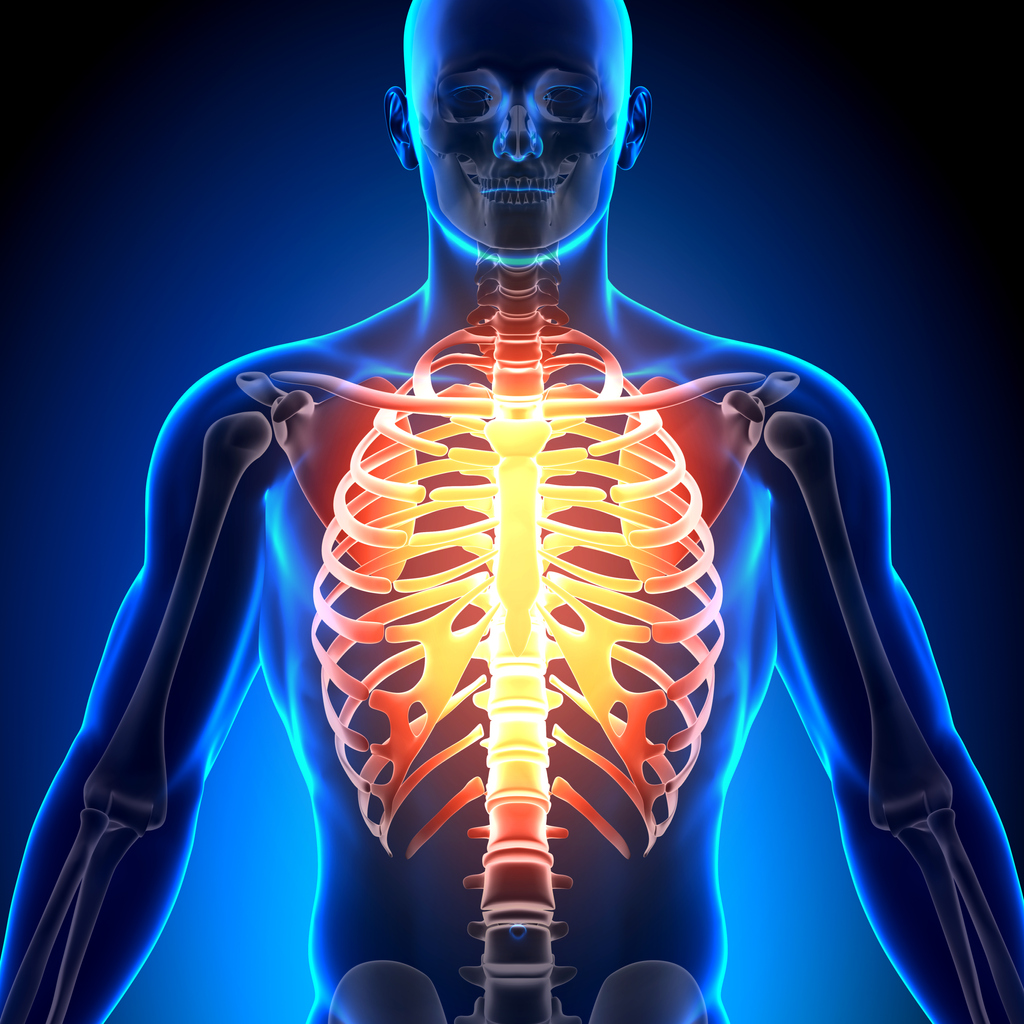
The thorax is the chest. Posteriorly, it is bounded by the twelve vertebrae of the thoracic spine, anteriorly by the sternum, and laterally by twelve ribs on each side. The inferior border is formed by the diaphragm. The superior border is formed by the shoulder girdle (clavicles, scapulae, shoulder joints, sternum with the AC joints, IC joints, and shoulder joints).

The thorax is an elastic and resilient system that enables respiration through the muscles located between the ribs. Muscles run along the inside of the ribs, which lower the ribs, thereby reducing the thoracic cavity and enabling exhalation. Muscles run along the outside of the ribs, which raise the ribs and thus enable inhalation. The diaphragm, a thin muscular plate that separates the thoracic cavity from the abdominal cavity, also supports breathing: when the diaphragm contracts, inhalation occurs, and the abdominal organs bulge outwards. When the diaphragm relaxes, the abdominal organs push back inwards, and the diaphragm is pushed upwards. This reduces the space in the thoracic cavity again, leading to exhalation.

Another function of the bony thorax is the protection of organs: the heart and lungs, as well as the great vessels.

Diseases and Consequences of Accidents to the Chest (Thorax)
  • In many accidents, parts of the chest (thorax) are injured: rib fracture, serial rib fractures, sternum fracture,
  • thoracic vertebral fractures, clavicle fracture, scapula fracture, dislocation of the AC joint, dislocation of the IC joint, dislocation of the shoulder joint, etc.
  • Thoracic wall hernia, often as a result of an accident or after a surgical procedure.
  • Tumors of the chest wall, benign and malignant; also metastases from other primary tumors;
  • Congenital chest wall deformities, such as pectus carinatum (pigeon chest) and pectus excavatum (funnel chest).
  • Acquired chest wall deformities, after accidents or as a result of degenerative changes.
15. January 2024 0 comments
FacebookLinkedinEmail
Newer Posts
Older Posts

Follow us for updates

Facebook Youtube Rss

Supported by

Supported by

Categories

  • About Us (4)
  • Blog (4)
  • Patients & Relatives (3)
  • Preventive Healthcare (5)
  • Thorax: Function and Anatomy (8)

About Us

About Us

helps patients navigate the complex world of thoracic medicine.

Points of Interest

  • Thorax: Function and Anatomy

  • The Pleura

  • The medical team at Thorax Schweiz

  • The Esophagus

Back Next

QuickLinks

  • Home
  • Contact
  • Imprint
  • Data Protection

@2024 - Copyright Hirslanden-Gruppe


Back To Top
Thorax Schweiz
  • Home
  • Anatomy & Disease Patterns
    • Thorax: Function and Anatomy
    • The Airways (Trachea & Bronchi)
    • The Lungs (Pulmo)
    • The Pleura
    • The diaphragm (diaphragma)
    • The mediastinum
    • The Chest (Thorax)
    • The Esophagus
  • Patients & Relatives
    • Patients & Relatives
    • Support Groups and Organizations
    • Your General Practitioner’s Office
  • Prevention
    • Preventive Healthcare
    • The Importance of Prevention
    • Smoke-Free Living
    • Follow-up care
    • Rehabilitation
  • Podcast
  • Blog
  • About Us
    • About Thorax Switzerland
    • The medical team at Thorax Schweiz
    • Additional Experts
    • THE INITIATORS OF THORAX SWITZERLAND
  • Contact
  • English
    • Français (French)
    • Deutsch (German)
    • Italiano (Italian)
  • English
  • Français (French)
  • Deutsch (German)
  • Italiano (Italian)