

Lung cancer is one of the most common cancers worldwide and is often associated with a poor prognosis. However, in many cases, there is justified hope that the disease can be successfully treated. The course of the disease depends heavily on the type of tumor and the individual’s overall health, which is why early and competent care is particularly important. The Hirslanden Zurich Lung Cancer Center offers precisely this specialized support for patients and their families. It is a place where patients receive comprehensive consultation and are accompanied on their individual journey.
Inhaltsverzeichnis
What Type of Disease Is Lung Cancer?
Lung cancer, also called bronchial carcinoma, is a malignant tumor disease. This type of cancer can theoretically develop in any part of the lung, but most commonly occurs in the upper regions of the lung lobes. The carcinoma develops when cells of the lung or bronchial tissue become abnormal, lose their original function, and multiply uncontrollably.
There Are Different Types of Bronchial Carcinoma
Bronchial carcinomas are divided into two main types based on the size of the cancer cells:
- Small Cell Lung Cancer (SCLC): This form of lung cancer is less common, accounting for approximately 15% of cases. However, it grows rapidly and frequently metastasizes.
- Non-Small Cell Lung Cancer (NSCLC): This type occurs much more frequently, accounting for approximately 85% of cases. Growth is generally slower, and treatment options are more diverse.
What Symptoms Does Lung Cancer Cause?
In an early stage, patients usually do not notice that they are ill. Lung cancer causes hardly any symptoms at that point. The disease is therefore usually only discovered by chance. Many of the symptoms only appear when the tumor is more advanced. Moreover, they are nonspecific and could also be caused by other diseases. Possible signs include:
- Persistent cough that changes
- Recurrent respiratory infections
- Unexplained shortness of breath
- Chronic hoarseness
- Chest pain
- Weight loss
- General feeling of weakness
- Coughing up blood
- Swelling of the face and neck
These nonspecific symptoms make early diagnosis difficult. Particularly for high-risk groups, this makes regular medical checkups all the more important—this can significantly increase the chances that lung cancer is curable.
Risk Factors for the Development of Lung Cancer
Lung cancer is a complex disease that can be promoted by various risk factors. The most important risk factors are:
- Smoking: Tobacco consumption is the most common cause of lung cancer worldwide and is responsible for approximately 85% of cases. The risk increases with the number of cigarettes consumed and the duration of smoking. Secondhand smoke can also significantly increase the risk of disease.
- Exposure to Environmental Toxins and Chemicals: Asbestos, radon, diesel exhaust, and other pollutants increase the risk of lung cancer. People who come into contact with these substances occupationally are particularly at risk.
- Air Pollution and Particulate Matter Exposure: Particularly in heavily industrialized areas, air pollution can increase the risk of lung cancer.
- Genetic Predisposition: People whose families have a history of lung cancer have an increased risk of developing the disease themselves.
- Existing Lung Diseases: Diseases such as chronic obstructive pulmonary disease (COPD) or pulmonary fibrosis increase the likelihood of cancer.

How Is Lung Cancer Diagnosed?
The diagnosis of lung cancer occurs in several steps. First, an examination is ordered if the medical history or initial physical examinations provide indications of lung cancer. Subsequently, various diagnostic methods are used to clarify the disease:
- Blood Test: Certain values, such as inflammatory markers or tumor markers, can provide indications of a possible cancer.
- Laboratory Examination of Sputum: The sputum is analyzed in the laboratory to detect any cancer cells.
- X-rays: X-ray images of the lungs can reveal initial abnormalities in the lung tissue.
- Bronchoscopy: Using a thin tube inserted through the airways, the lung can be examined from the inside. This allows tissue samples to be taken.
- Fine Needle Biopsy: A tissue sample is taken from the lung using a thin needle for more detailed laboratory examination.
Several Stages of Lung Cancer Are Distinguished
To answer the question of whether lung cancer is curable and how further treatment should proceed, it is important to know the stage of the disease. Lung cancer is divided into different stages, from a very early tumor (Stage 1) that has not yet metastasized, to an advanced stage (Stage 4) in which the cancer has spread to other organs.
Is Lung Cancer Curable? Early Detection Is Key
Early detection of lung cancer plays a crucial role in improving the chances of recovery. The earlier the cancer is detected, the better the prospects for successful treatment. Various methods exist for early detection:
- Breath Test: By analyzing certain molecules in the breath, indications of cancer can be provided, enabling early diagnosis.
- Low-Dose Computed Tomography (CT): Low-radiation computed tomography can be used as an early detection measure, particularly for people at high risk, such as long-term smokers aged 50 to 75 years. This method uses X-rays to create detailed cross-sectional images of the lungs, on which suspicious changes can be detected early. The examination takes only a few minutes.
The Hirslanden Zurich Lung Cancer Center participated in a 20-year study that investigated the effectiveness of regular low-dose CT examinations for early detection of lung cancer. The result: For lung cancer detected early, the 20-year survival rate is 81%.
What Treatment Options Are Available for Lung Cancer?
The treatment of lung cancer is always individually tailored to the patient’s specific situation. Factors such as the type of tumor, the stage of the disease, and overall health play a major role. Specialized consultation through a lung cancer center, such as the Hirslanden Zurich Lung Cancer Center, is therefore particularly important. Here, patients can also obtain a second opinion to find the best possible therapy for themselves.
Traditional Therapies for Lung Cancer
Various traditional therapies are available for treating lung cancer:
- Surgery: Surgery is often performed when the tumor is locally confined and can be completely removed. It offers the best chances of recovery, particularly in the early stages of lung cancer.
- Drug Therapies: These include chemotherapy and targeted drugs designed to inhibit the growth of cancer cells. This treatment is often used when the cancer is already more advanced or has metastasized.
- Radiation Therapy: In radiation therapy, cancer cells are destroyed by high-energy radiation. It can be used alone or in combination with other forms of therapy.
New and Innovative Approaches to Treating Lung Cancer
In addition to traditional methods, there are also new, promising approaches to treating lung cancer. Using a genetic test, certain gene mutations can be detected in the tumor tissue, such as EGFR or ALK mutations. These genetic changes make it possible to treat the tumor in a targeted manner. If such a mutation is detected, special medications in tablet form can be administered that act directly on the tumor cells. This treatment is mainly used for non-small cell lung cancer, as over 20 different mutations are known that can be specifically targeted.
Immuno-oncological Therapies use the body’s own defenses to fight cancer. Cancer cells have the ability to hide from the immune system or suppress it. Immunotherapies, such as so-called checkpoint inhibitors, interrupt the signaling pathways that block the immune response and enable the immune system to recognize and fight cancer cells again. This method has the potential to sustainably activate the immune system and thus support the fight against cancer.
Complementary Treatment Methods for Lung Cancer
In addition to conservative and modern treatment methods, complementary healing methods such as acupuncture and homeopathy as well as palliative measures can be used to relieve symptoms and improve quality of life. A multimodal approach that combines different forms of therapy can improve treatment effectiveness and reduce side effects. However, it is important that these complementary therapies always be carried out in consultation with the treating physician and not serve as a replacement for standard treatment.
The Hirslanden Lung Center in Zurich Is the First Point of Contact for Lung Cancer
The Hirslanden Lung Cancer Center in Zurich offers specialized care for people with lung cancer. An interdisciplinary team of specialists works closely together to develop individualized therapy optimally tailored to patients’ needs. Services offered include state-of-the-art diagnostic procedures such as CT and PET-CT, surgical interventions, radiation therapy, chemotherapy, and immunotherapy. Patients benefit from comprehensive care that includes psychosocial support in addition to medical treatment. The center is considered a leading facility for lung cancer in Switzerland.
Specialized Facilities for Lung Cancer
The Hirslanden Zurich Lung Cancer Center provides contact with specialized facilities for lung cancer. Klinik Hirslanden offers modern infrastructure and medical expertise available to patients of all insurance classes. Further information can be found here: Klinik Hirslanden – Lung Specialties.
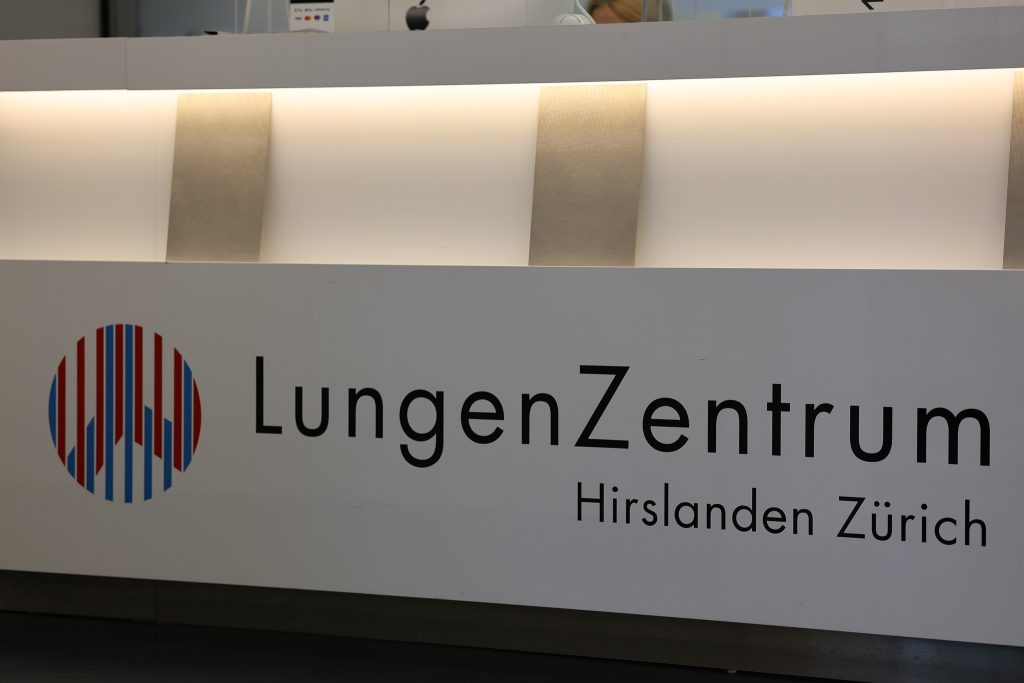
Personalized Oncology at the Hirslanden Zurich Tumor Center
With its approach to personalized oncology, the Hirslanden Tumor Center in Switzerland places patients at the center. Using molecular tests performed by the Swiss Tumor Molecular Institute (Swiss TMI), an individually tailored cancer treatment is developed. The concept of “molecular advising” forms the interface between laboratory, patient, and oncologist, enabling precise adaptation of therapy to the specific characteristics of each tumor. In approximately one-third of cases, treatable, targeted changes in the tumor can be identified and personalized treatment initiated. Further information on personalized oncology can be found here.
Support Services for Patients
The Hirslanden Lung Center supports patients and their families in many areas of daily life and with organizational matters.
- Organization of outpatient or inpatient rehabilitation
- Placement in nursing homes (long-term and transitional care)
- Organization of palliative care placements
- Planning of spa stays
- Organization of outpatient support services and provision of assistive devices
- Clarification of insurance questions and social insurance benefits
- Counseling on personal and family challenges in the context of hospitalization
- Referral to external counseling centers
- Support in contacting offices and authorities
New Hope for Lung Cancer
In recent years, the chances of long-term survival with lung cancer have improved significantly. New treatment methods such as immunotherapy and targeted therapies offer real hope to patients. By strengthening the immune system or specifically combating specific tumor cells, an extension of survival time has been achieved in many patients. Combination therapies that combine multiple approaches to fight cancer as effectively as possible are particularly promising. These advances not only offer hope for a longer life, but also for a higher quality of life during treatment.
Advances in the treatment of lung cancer show that patients have good chances when treated at a specialized lung center. The Hirslanden Zurich Lung Cancer Center offers precisely this specialized care and uses modern therapies that are individually tailored to ensure the best possible chances of recovery.
Can Lung Cancer Be Prevented?
Since smoking is one of the main risk factors for the development of lung cancer, the best prevention is to stop smoking or never start.
- Smoking cessation is worthwhile at any time. The risk decreases continuously, is halved after 5 to 10 years, and approaches the risk of non-smokers after 15 to 20 years. There are numerous aids that can support quitting.
- A balanced diet with plenty of fruits and vegetables can reduce the risk. Antioxidants in fruits help protect cells from damage.
- Radon is a radioactive gas that can cause lung cancer. Measures such as regular ventilation, sealing cracks, and special structural measures help reduce exposure.
Lifestyle and Quality of Life with Lung Cancer
In all treatments for lung cancer, it is important to keep the quality of life of patients in focus. Not only medical care, but also individual lifestyle plays a crucial role in the well-being of patients.
Nutrition as Treatment Support
A healthy, balanced diet is an important component of lung cancer treatment. It can strengthen the body, support the immune system, and help better cope with side effects of therapies. It is particularly important to consider individual nutritional needs, as the disease itself and the treatment can affect metabolism. Many patients benefit from nutritional counseling tailored to specific needs and helps ensure adequate nutrient supply.
Exercise Despite Illness
Even though a lung cancer diagnosis is stressful and therapies can be physically debilitating, exercise plays an essential role in maintaining quality of life. Adapted physical activities can help maintain muscle strength, increase performance, and promote overall well-being. Depending on health status, light walks, yoga, or special physiotherapy exercises can positively influence recovery. An exercise program should always be planned in consultation with the treating physician.
Psychosocial Support
In addition to physical health, the psychological burden for patients with lung cancer is enormous. Coming to terms with the disease, worries about the future, and coping with therapy are major challenges that must not be underestimated. Psychosocial support, for example through talk therapy, self-help groups, or psycho-oncological care, can be valuable help. The involvement of family members in care is also important to create a stable social environment that provides support.
Stress Management and Relaxation
Stress is a constant companion in everyday life for many people—all the more so when a serious illness such as lung cancer is diagnosed. Relaxation methods such as meditation, breathing exercises, or autogenic training can help reduce stress levels and improve overall well-being. Creative activities such as painting or making music can also be used as an outlet to reduce worries and provide positive distraction. Regular incorporation of relaxation techniques into daily life can thus noticeably increase quality of life and help better cope with physical and psychological challenges.
The Hirslanden Zurich Lung Cancer Center provides advisory and supportive assistance on all questions regarding quality of life and lifestyle.
Is Lung Cancer Curable or Not: Research Offers Hope
Research in the field of lung cancer has made great progress in recent years and offers new hope to patients. Genetic research in particular has significantly improved the understanding of lung cancer. Scientists have discovered that certain genetic mutations influence the growth and behavior of tumors. This knowledge makes it possible to develop more targeted and individualized treatments. An example of this is so-called targeted therapies that combat specific mutations in the tumor and can thus be more effective than conventional therapies.
Immunotherapy also has the potential to fundamentally change the treatment of lung cancer. By activating the body’s own immune system, cancer cells can be specifically attacked. Initial studies show that patients who respond to this type of therapy have significantly better survival chances. The combination of genetic insights and modern treatment methods thus offers promising prospects for the future. These developments give hope that the prognosis for many patients will continue to improve in the future.
Chances of Recovery from Lung Cancer
The chances of recovery from lung cancer depend largely on the stage of the disease at the time of diagnosis. If the tumor is detected at an early stage, the prospects are significantly better. For lung cancer diagnosed early, the 5-year survival rate is over 70%. However, lung cancer is often only detected in advanced stages, which makes treatment more difficult and lowers the survival rate. Therefore, early detection is of crucial importance, especially for high-risk groups. Regular low-radiation CT examinations can significantly reduce mortality and offer an important opportunity to detect lung cancer early. Through such measures, the prognosis for many patients can be significantly improved.
Financial Support and Insurance
Treatment for lung cancer can be associated with significant financial burdens. However, in Switzerland there are various ways to receive support to cover costs and reduce the financial burden.
- Mandatory health insurance generally covers a large portion of the costs for diagnostic examinations, treatments, and medications. This includes surgery, radiation therapy, chemotherapy, as well as innovative approaches such as immunotherapy and targeted therapies.
- In addition, there are cantonal support programs as well as private organizations that provide financial assistance, particularly for costs not fully covered by health insurance. Patients can contact social services in their canton for information on possible financial support. In addition, some foundations and charitable organizations in Switzerland offer support for cancer patients who have fallen into financial hardship.
Disability insurance (IV) also plays an important role in supporting patients who can no longer work due to their illness. It can contribute to covering treatment costs and also support measures for occupational reintegration.
More information is available to insured persons through the Hirslanden Zurich Lung Cancer Center in Switzerland.
Tips for Communicating with Doctors
Good communication with medical professionals is crucial to receiving the best possible care and treatment. It is important for patients to actively participate and ask questions to gain a better understanding of the disease and treatment options. Clear and open conversations help make well-informed decisions together that consider all needs.
How to Communicate Effectively with Medical Professionals
Prepare well for doctor’s appointments by noting all relevant information, symptoms, and questions. Try to listen attentively during the conversation and do not hesitate to ask if something is unclear. It can be helpful to bring a companion who can provide support and take notes on important information. Use the opportunity to express your concerns and fears so that the doctor can address them. A trusting relationship with the medical team can significantly contribute to successful treatment.
Lung Cancer Diagnosis: Questions You Should Ask Your Doctor
There are a number of questions that can help you better understand the situation and actively participate in treatment. These include, for example:
- What treatment options are available for my type of lung cancer?
- What are the advantages and disadvantages of the individual treatment options?
- What are my chances of recovery, and what factors influence them?
- What side effects can occur during treatment, and how can they be alleviated?
- What support options are available during treatment, for example in the form of rehabilitation measures or psychosocial care?
- Are there alternative or complementary therapies that might be suitable for me?
Such questions help you obtain all important information and make your decisions on a well-informed basis.
A Glimmer of Hope for Patients: Reports from Lung Cancer Survivors
Lung cancer is curable—this is shown by the inspiring stories of people who have defeated the disease. These reports provide encouragement and show that there is hope even in difficult times. Here are two examples of patients who share their experiences through the Swiss Cancer League:
Heidi Mani: Heidi Mani received a diagnosis of advanced-stage lung cancer, which was initially a severe shock for her. She decided not to give up and sought the best treatment options. Through a combination of chemotherapy and targeted immunotherapy, the tumor was successfully reduced. Heidi emphasizes the importance of inner strength, hope, and a supportive environment. Today she lives with her disease but has learned to see each day as a gift.
Professor (UNIC) Dr. med. Ulf Petrausch is an oncologist at OnkoZentrum Zurich. He has treated Heidi Mani since her return from the USA to Switzerland. The thorax Switzerland team has already conducted 2 podcast interviews with Dr. Petrausch
#02 TAILORED SUPPORT – LUNG CANCER DIAGNOSIS AND FAMILY BEHAVIOR
(Click here for the podcast episode>>>)
#03 FROM TUMOR CONFERENCES TO THE FUTURE
Manfred S.: Manfred S. learned of his lung cancer diagnosis after prolonged breathing difficulties. Treatment began with surgery and was supplemented by targeted therapy specifically tailored to the characteristics of his tumor. Thanks to close collaboration with his medical team, he was able to stabilize the disease. Manfred emphasizes how important a positive attitude and the support of his family were for him. He now lives actively again and has learned to appreciate the small things in life more.
Summary: Is Lung Cancer Curable Today
Lung cancer is a complex and serious disease, but the hope for a cure is real. Early diagnosis, the right choice of therapy, and comprehensive care are crucial for successful treatment. The Hirslanden Zurich Lung Cancer Center offers patients precisely this support—with an interdisciplinary team, state-of-the-art diagnostics, and innovative treatment options. Stories of survivors like Heidi Mani and Manfred S. show that it is possible to maintain hope even in difficult situations and achieve a high quality of life. It is important to keep both medical treatment and quality of life in focus and to be cared for by specialized centers.
In the coming months, we are planning additional content on the topic “Living with Lung Cancer.” We inform you monthly about new content in our Thorax-Switzerland newsletter.
Thorax-Switzerland Team


